





Latest Posts









Beauty
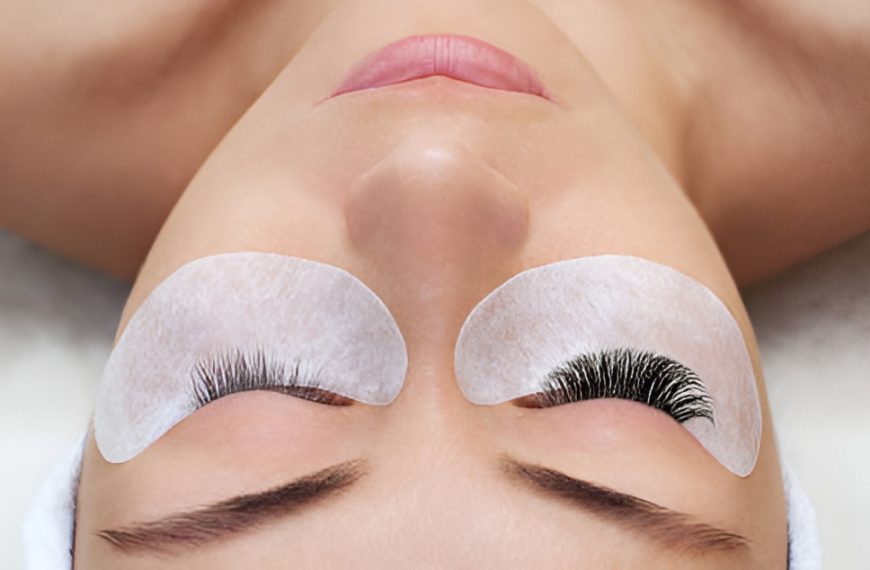
How to Remove Eyelash Glue Without Hurting Natural Lashes
Always soften eyelash glue first using oils, steam, or a gentle remover to avoid tugging at natural lashes. Never pull…
How to Remove Eyelash Extensions Without Damaging Your Natural Lashes
Never pull or tug on extensions: Improper removal can break or thin your natural lashes and damage follicles. Professional removal…
Getting Ready for a Wedding Must-Have Beauty Prep Tips
When it comes to preparing for your wedding day, there are a lot of details to consider to ensure you…
Combating Facial Wrinkles: Modern Strategies for a Youthful Appearance
Discover the latest advancements in skincare and treatments for reducing facial wrinkles, ensuring a smoother, more radiant complexion. Learn about…



Lifestyle
How to Remove Eyelash Glue Without Hurting Natural Lashes
Always soften eyelash glue first using oils, steam, or a gentle remover to avoid tugging at natural lashes. Never pull…
How to Remove Eyelash Extensions Without Damaging Your Natural Lashes
Never pull or tug on extensions: Improper removal can break or thin your natural lashes and damage follicles. Professional removal…
Getting Ready for a Wedding Must-Have Beauty Prep Tips
When it comes to preparing for your wedding day, there are a lot of details to consider to ensure you…
Combating Facial Wrinkles: Modern Strategies for a Youthful Appearance
Discover the latest advancements in skincare and treatments for reducing facial wrinkles, ensuring a smoother, more radiant complexion. Learn about…